

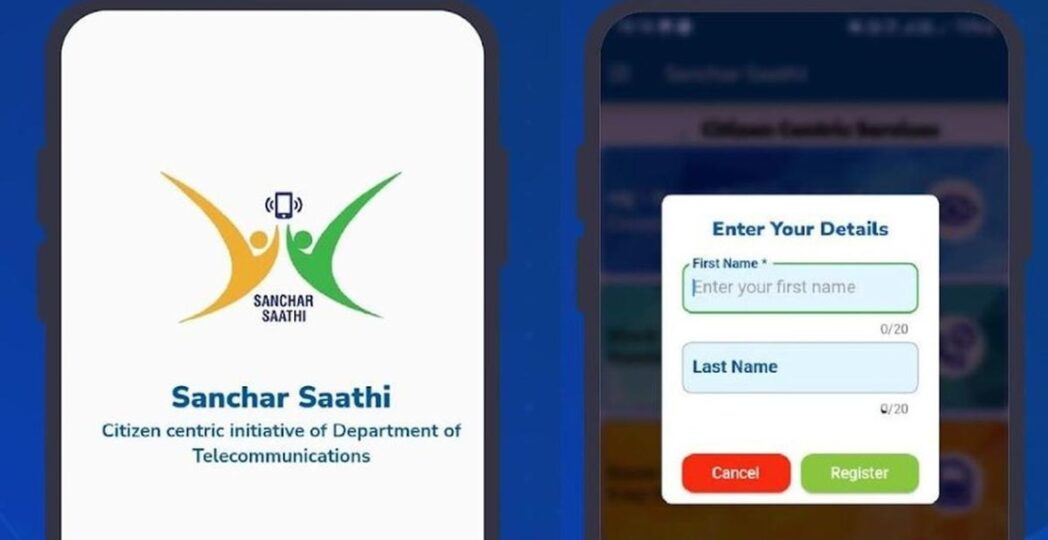
The discussion around the Sanchar Saathi app mandate 2025 has become one of the most important digital policy conversations in India. What started as a cybersecurity initiative rapidly escalated into a nationwide debate about privacy, user choice, and the boundaries of government regulation in the digital era. Initially introduced as a mandatory pre-installed app on all smartphones, Sanchar Saathi faced immediate pushback from industry experts, privacy advocates, and users. Within days, the government rolled back the mandatory clause, transforming the app from a compulsory tool to a voluntary one. This dramatic shift has made the 2025 mandate a case study in digital governance, public response, and technology policy.
What Is Sanchar Saathi? A Quick Overview
Sanchar Saathi is a government-developed platform designed to help mobile users safeguard their devices and identities. It includes tools to block lost or stolen phones, report fraudulent mobile numbers, verify device authenticity, and strengthen digital safety. The idea behind the app is simple but powerful: empower citizens to protect themselves from mobile-based fraud, identity misuse, and cyber threats.
In a country where smartphone adoption grows every month and cyber risks rise in parallel, Sanchar Saathi was developed to bridge the gap between everyday users and essential security mechanisms. The platform has already helped many users trace stolen devices and deactivate unauthorized SIM cards, which is why the intent behind the app received appreciation — even as the mandate itself raised concerns.
The Sanchar Saathi App Mandate 2025: What the Government Proposed
The turning point came when the government issued an order in late 2025 requiring all smartphone manufacturers to pre-install the Sanchar Saathi app on new devices and push it onto existing ones via system updates. Even more controversial was the clause stating that the app should be non-deletable, meaning users would have no choice in the matter.
The rationale behind the Sanchar Saathi app mandate 2025 was clear: strengthen national cybersecurity by ensuring that every smartphone user has access to fraud-reporting tools and device tracking features. However, what was intended as a protective measure quickly sparked debate due to concerns over privacy and user autonomy.
Why the Mandate Triggered Nationwide Debate
As soon as the mandate was announced, experts and industry makers raised serious concerns. Privacy advocates argued that forcing citizens to use an app — especially one interacting with sensitive device identifiers — violates the principles of informed consent. Cybersecurity researchers pointed out that mandatory apps create technical vulnerabilities because device manufacturers are required to modify the operating system at a deep level to prevent deletion.
Manufacturers also highlighted a practical problem: platforms like Android and iOS restrict non-removable third-party apps as part of their global security norms. Making an exception for a government app not only disrupts device integrity but also opens potential attack vectors. In an attempt to enhance security, the mandate risked weakening it — an irony not lost on experts.
Public Sentiment: Privacy, Consent, and Control
The average Indian smartphone user might not think deeply about backend operating system controls, but one thing was instantly clear: people did not want an app they could not delete. Public sentiment shifted quickly toward concerns about surveillance and potential misuse of personal data. The lack of clarity on how user information would be collected, stored, or processed further fueled skepticism.
At a time when digital privacy is a major global conversation, the Sanchar Saathi app mandate 2025 felt to many like an unnecessary overreach. And in a democracy where public opinion matters deeply, the government soon took note.
The U-Turn: Government Makes the App Voluntary
Within days of backlash, expert commentary, and industry resistance, the government rolled back the mandatory clause. Officials clarified that while the Sanchar Saathi app is encouraged for user safety, it is not compulsory, and users can choose whether to download or delete it.
The reversal was welcomed widely. It signaled that the government was willing to reconsider decisions based on public sentiment and practical expertise. The episode also highlighted the importance of balancing national security initiatives with constitutional rights, user autonomy, and digital trust.
Where Sanchar Saathi Stands Today
Post-reversal, Sanchar Saathi continues to function as a voluntary, citizen-friendly app. It still offers valuable features — tracking lost devices, identifying unauthorized SIMs, and reporting fraud — but now operates within a trust-based model instead of a forced-install framework. This shift may actually improve adoption, as users tend to embrace apps they choose voluntarily rather than those imposed on them.
The app’s utility remains intact, and many users appreciate its role in combating mobile theft and digital scams. What has changed is its relationship with user consent — and this, arguably, is the most important evolution.
What the Mandate Teaches Us About Digital Policy
The Sanchar Saathi app mandate 2025 is a powerful reminder that technology governance must balance innovation, security, and individual rights. Policies introduced without adequate public consultation or impact analysis can backfire. The episode shows that even well-intentioned security measures must respect privacy standards and user freedom.
India’s digital ecosystem is vast, diverse, and rapidly evolving. Trust is its backbone. When users trust the system, they adopt tools willingly — which ultimately strengthens cybersecurity far more than compulsory installations ever could.
Conclusion: A Future Built on Trust, Not Mandates
The Sanchar Saathi app remains an excellent tool for mobile security, but the controversy around the mandate highlights a larger lesson: digital security must empower users, not restrict them. By walking back the mandatory requirement, the government reinforced the principles of consent, privacy, and democratic communication.
As India advances deeper into the digital age, policies must reflect not only the need for technological safeguards but also the rights of citizens. Sanchar Saathi has the potential to be a widely used public-safety app — not through force, but through trust, transparency, and choice.
Frequently Asked Questions (FAQs)
Q: What was the Sanchar Saathi app mandate 2025?
The mandate required smartphone manufacturers to pre-install the Sanchar Saathi app and make it non-deletable. It was later withdrawn, and the app became voluntary.
Q: Is the Sanchar Saathi app mandatory now?
No. After public and industry concerns, the government clarified that the app is optional.
Q: Does Sanchar Saathi pose a privacy risk?
The app itself aims to enhance safety, but concerns arose from the mandatory installation requirement — not the app’s core features.
Q: Should I install Sanchar Saathi voluntarily?
If you want better protection against mobile theft, fraud, and unauthorized SIM use, the app can be helpful.
Q: What does the mandate reversal mean for users?
It ensures users have full control over what is installed on their devices, improving trust and transparency in digital governance.
Also Read:-